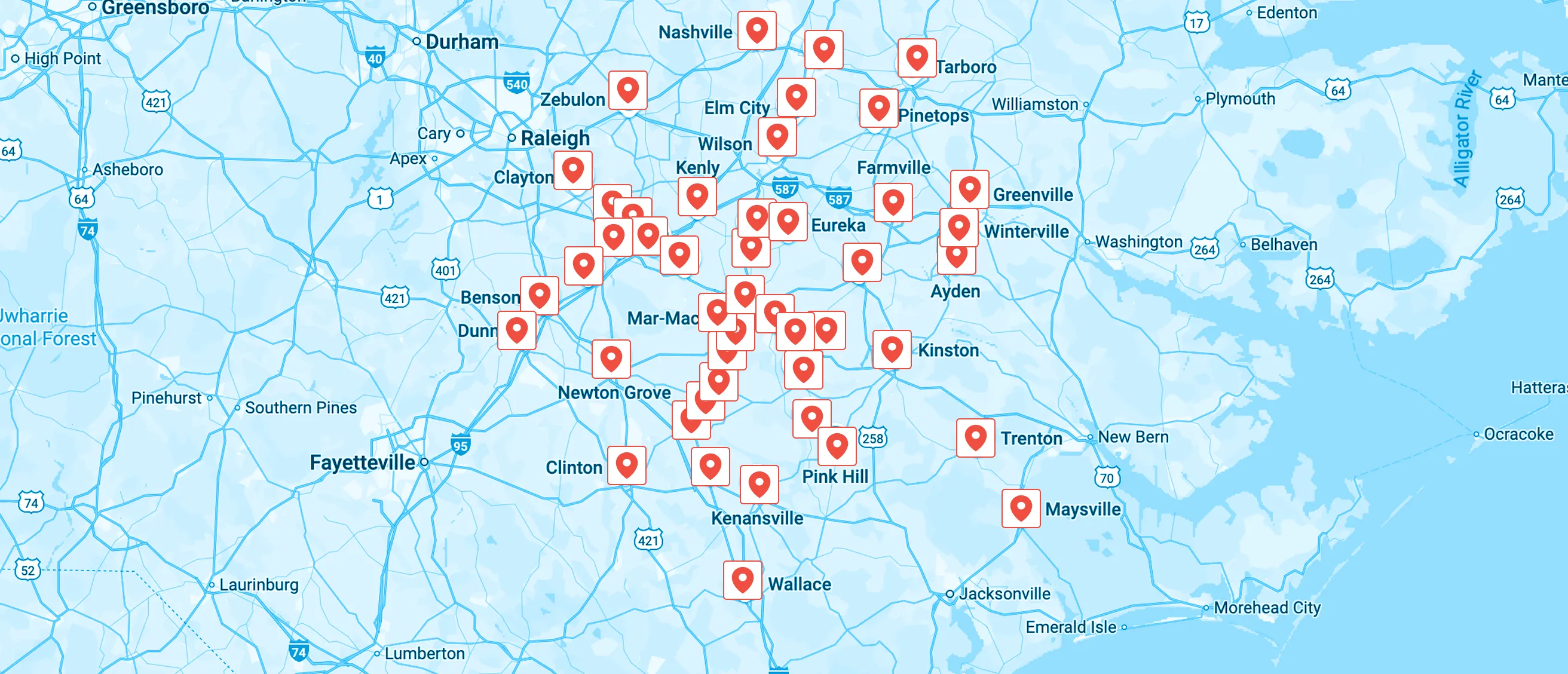
HVAC Services in Elm City, NC
HVAC Services in Elm City, NC
Keeping your home comfortable year-round in Elm City, NC means relying on HVAC equipment that’s sized, installed, and maintained for our local climate. Summers here are hot and humid and winters can bring sudden cold snaps conditions that put extra stress on cooling and heating systems. Our HVAC services in Elm City, NC focus on reliable repairs, efficient system replacement with free quotes, preventive maintenance, and emergency response so your home stays comfortable with fewer surprises.
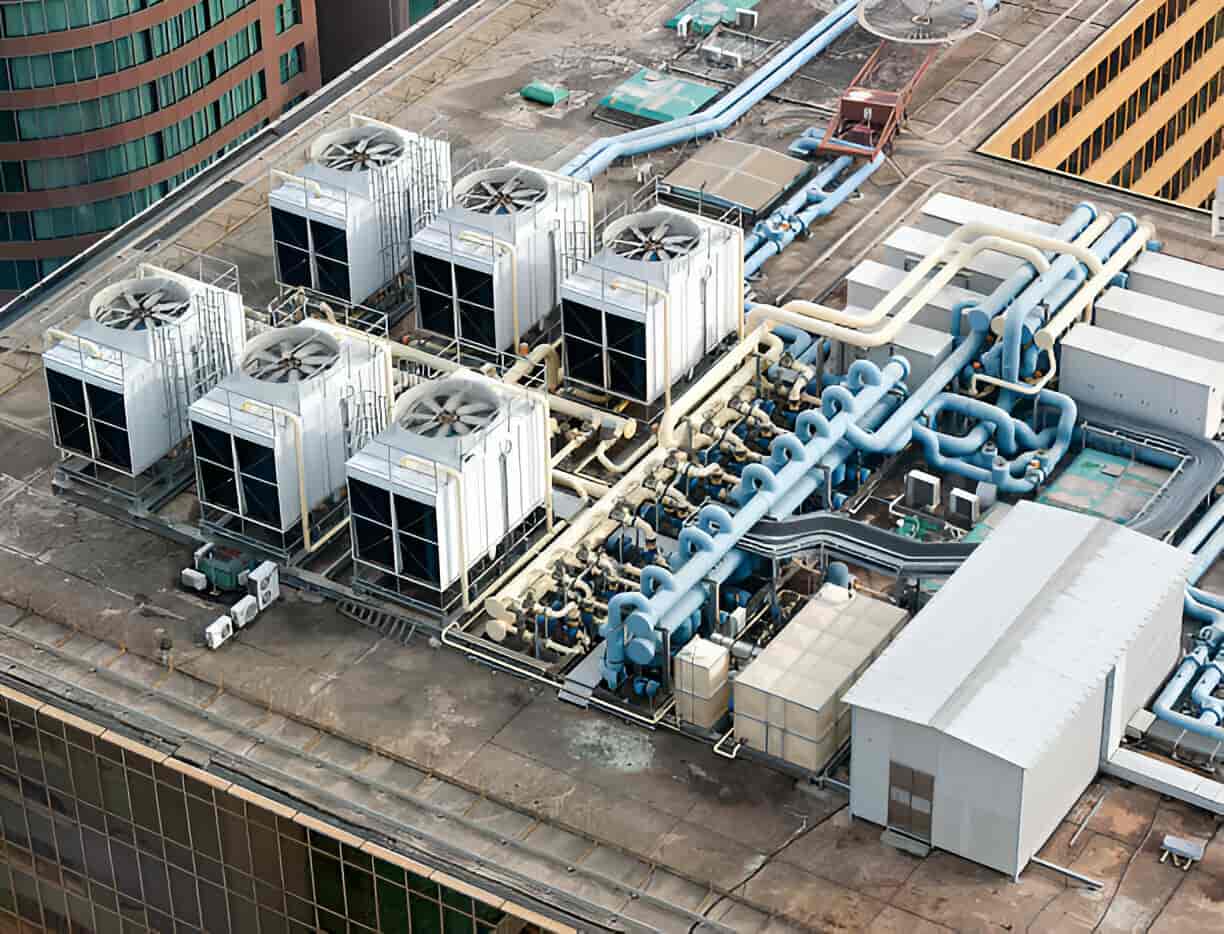
Comprehensive HVAC services offered in Elm City, NC
We provide a full spectrum of residential HVAC solutions tailored for Elm City homes and neighborhoods:
- System installation and replacement (free quotes): Load calculations, equipment selection, ductwork evaluation, and professional installation with attention to airflow and efficiency.
- Repair and troubleshooting: Diagnostics and repairs for air conditioners, heat pumps, furnaces, thermostats, and duct systems.
- Seasonal maintenance plans: Scheduled tune-ups to keep systems running efficiently and to prevent breakdowns during peak seasons.
- Emergency service response: Rapid assessment and repairs for no-heat or no-cool emergencies, refrigerant leaks, and safety-related failures.
- Financing options: Flexible payment solutions and financing pre-qualification to help households choose replacement or major repairs without a large upfront payment.
- Brand expertise: Certified experience with Daikin, Tempstar, and Goodman equipment for installations, warranty work, and replacements.
Common HVAC issues in Elm City homes — causes and signs
Elm City’s humid summers and variable winters create patterns of wear and failure you’ll want to address early:
- Insufficient cooling or long run times: Often caused by dirty coils, low refrigerant, or undersized equipment for modern insulation and window loads.
- High humidity indoors: Reduced dehumidification can result from oversized AC cycles, clogged coils, or failing blower motors.
- Uneven heating or cooling: Blocked registers, leaky ducts, or incorrect system zoning are common culprits in older Elm City houses.
- Short cycling or frequent on/off cycles: This stresses components and usually points to a refrigerant issue, poor airflow, or control board faults.
- Strange noises or odors: Rattles, grinding, or burning smells can indicate motor failure, belt problems, or electrical issues that need immediate attention.
- Frozen evaporator coils: High humidity plus restricted airflow commonly leads to coil freeze, causing cooling loss and compressor damage if untreated.
How we diagnose and repair — what to expect
Diagnostics follow a systematic approach that prioritizes safety and long-term performance:
- Initial assessment: Review system history, homeowner observations, and visible system condition.
- Performance checks: Measure airflow, refrigerant pressures, and temperature splits to determine efficiency and specific faults.
- Electrical and safety inspection: Test controls, capacitors, relays, and safety switches to rule out electrical failures.
- Component-level evaluation: Inspect compressor, blower motor, coils, and duct integrity to identify needed parts or repair vs replacement.
- Transparent options: When repairs are required, explanations cover immediate fixes, recommended upgrades, and, if appropriate, a free replacement quote with sizing and efficiency comparisons.
Repairs focus on returning systems to safe, reliable operation while considering the most cost-effective long-term solution. When replacement is the best option, equipment recommendations are based on home size, insulation, and budget, with an emphasis on matched system components for efficiency and comfort.
Seasonal maintenance plans — what they include and why they matter in Elm City
Regular tune-ups reduce emergency calls and improve efficiency—especially important with Elm City’s humidity and seasonal temperature swings. Typical plan features:
- Inspection and cleaning of coils and condensate drains
- Filter check and replacement recommendations
- Electrical tightening, lubrication, and safety checks
- Refrigerant level verification and leak detection
- Blower and motor performance testing and airflow adjustment
- Thermostat calibration and system performance report
Benefits of seasonal maintenance include lower energy use, fewer mid-summer or mid-winter failures, extended equipment life, and improved indoor air quality—valuable in a community where allergy season and humidity both affect comfort.
Emergency response and financing explained
Emergencies—loss of cooling in July or no heat during a cold night—require prioritized service. Emergency response protocols typically include rapid dispatch, on-site triage to stabilize systems, and temporary measures to protect equipment until permanent repairs can be completed.
Financing options help spread the cost of significant repairs or replacements without delaying necessary work. Typical plans offer predictable monthly payments, fixed-term options, and pre-approval processes that let homeowners compare repair versus replacement scenarios alongside budget considerations.
Expertise with Daikin, Tempstar, and Goodman
Working with major brands means technicians are trained on specific controls, refrigerant practices, and installation requirements:
- Daikin: Advanced inverter technology and variable-speed components require precise setup for peak efficiency.
- Tempstar: Reliable, value-driven units that benefit from correct sizing and airflow optimization.
- Goodman: Durable systems where timely parts replacement and matched components preserve warranties and performance.
Technicians familiar with these brands ensure proper installation, diagnostic accuracy, and warranty compliance while recommending equipment that fits your home’s needs.
Preparing to schedule service
When you arrange service, having the following information ready speeds diagnosis and creates a smoother on-site visit:
- System model and serial numbers (usually on the exterior unit or furnace)
- Description of symptoms, when they began, and any patterns observed
- Recent maintenance history and any existing warranties
- Access details (gate codes, parking, or preferred entry points)
- Photos of the outdoor unit or thermostat if available
- A few windows of time when someone will be home for a technician visit
Technicians will typically ask about thermostat settings, recent changes to home insulation or windows, and any prior DIY work. Expect an on-site evaluation, a clear explanation of findings, and a written outline of recommended repairs or replacement options.
hear what our satisfied
clients have to say


Service areas