Preventing HVAC Breakdowns: Proactive Maintenance & Smart Habits
Preventing HVAC Breakdowns: A Homeowner’s Guide to Proactive Care
That sinking feeling when your AC gives out on the hottest day of summer, or when the furnace goes silent during a cold snap. It’s more than an inconvenience; it’s a sudden, stressful, and often expensive disruption to your life. If you’ve ever worried about this happening, you’re not alone. A recent survey revealed that a staggering 40% of homeowners have experienced an HVAC system failure.
But what if most of these emergencies weren’t really emergencies at all? What if they were preventable?
The data is clear: the single biggest factor leading to system failure isn't age or bad luck. It's a lack of routine care. The same study found that 54% of system breakdowns were a direct result of neglecting maintenance. This means that over half of those stressful, costly repairs could have been avoided.
This guide isn't about scare tactics. It's about shifting your perspective from reactive panic to proactive confidence. We’ll walk you through the essential maintenance and smart habits that not only prevent breakdowns but also improve efficiency, lower your energy bills, and extend the life of your most important home appliance.
The Undeniable Case for Proactive Maintenance
Think of your HVAC system like your car. You wouldn’t drive it for 50,000 miles without an oil change and expect it to run smoothly. Your heating and cooling system works just as hard, running for thousands of hours each year to keep your family comfortable. Ignoring it and hoping for the best is a gamble that rarely pays off.
But the argument for professional maintenance goes beyond just avoiding disaster. It’s an investment in efficiency and longevity. Research from industry efficiency studies shows that regular maintenance can:
• Prevent up to 95% of all HVAC repairs. Imagine eliminating nearly every potential repair call before it's ever needed.
• Improve energy efficiency by up to 30%. A clean, well-calibrated system doesn’t have to work as hard to heat or cool your home, which translates directly into lower monthly utility bills.
By scheduling routine professional tune-ups, you're not just buying peace of mind; you're investing in a system that runs cheaper, breaks down less, and lasts longer. It’s the single most effective step you can take for the long-term health of your home’s comfort system.
Your Role in System Health: Simple Habits, Big Impact
While professional service is the cornerstone of HVAC health, there are simple, powerful habits you can adopt between tune-ups. These tasks don't require special tools or technical skills, but they make a significant difference.
Master the Air Filter Change
This is the easiest and most impactful task for any homeowner. A clogged air filter is like forcing your system to breathe through a straw. It restricts airflow, making your furnace and air conditioner work harder, which leads to premature wear and higher energy costs.
According to the U.S. Department of Energy, consistently replacing a dirty filter can reduce your system's energy consumption by 5% to 15%.
How to do it:
1. Locate the filter slot on your indoor unit.
2. Note the size printed on the side of the existing filter.
3. Slide the old one out and the new one in, making sure the airflow arrow points in the right direction.
4. Check it monthly and change it at least every 90 days—or more often if you have pets or allergies.
Keep Your Outdoor Unit Clear
Your outdoor condenser unit needs to breathe, too. It works by pulling in air to release the heat it has removed from your home.
Take a walk outside and ensure there’s at least two feet of clear space around the entire unit. Trim back bushes, pull weeds, and clear away any leaves or debris that could block airflow. In the winter, make sure snow and ice don't build up against the unit.
Learn to Listen
Your HVAC system communicates. You just have to know what to listen for. Pay attention to new or unusual sounds:
• Grinding or squealing could indicate a problem with the motor's bearings.
• Banging or clanking might mean a loose or broken part inside the unit.
• Constant clicking when the system tries to start could be an electrical issue.
Hearing these sounds doesn’t mean disaster is imminent, but it is a clear signal to call a professional for an inspection before a small issue becomes a major failure. For a complete guide on what you can do, explore The Ultimate HVAC Preventative Maintenance Checklist.
Decoding Wear and Tear: Know When to Call a Pro
Even with perfect maintenance, every system has a finite lifespan. Understanding the typical life expectancy helps you plan for the future instead of being forced into a rushed decision.
• Furnaces: 15-20 years
• Central Air Conditioners: 10-15 years
• Heat Pumps: 10-15 years
As your system enters the later stages of its life, it’s crucial to watch for signs that it's struggling. Rising energy bills, rooms that are difficult to heat or cool, and increased humidity are all indicators that your system’s efficiency is declining. If you find yourself scheduling repairs more frequently, it may be time to consider a change. A modern, high-efficiency unit can offer significant savings and improved comfort, making a planned system replacement a smart financial move.
Frequently Asked Questions
Navigating HVAC care can bring up a lot of questions. Here are straightforward answers to some of the most common ones we hear.
Is regular HVAC maintenance really worth the cost?
Absolutely. When you consider that preventive maintenance can eliminate up to 95% of repairs and make your system 30% more efficient, the cost of a tune-up is small compared to a multi-thousand-dollar emergency replacement or years of inflated energy bills. It's an investment that pays for itself.
How often should I have my system professionally serviced?
The industry standard recommendation is twice a year. Schedule a tune-up for your air conditioning system in the spring and another for your heating system in the fall. This ensures each is cleaned, inspected, and calibrated right before its peak season of use.
Can't I just change the filter and do the rest myself?
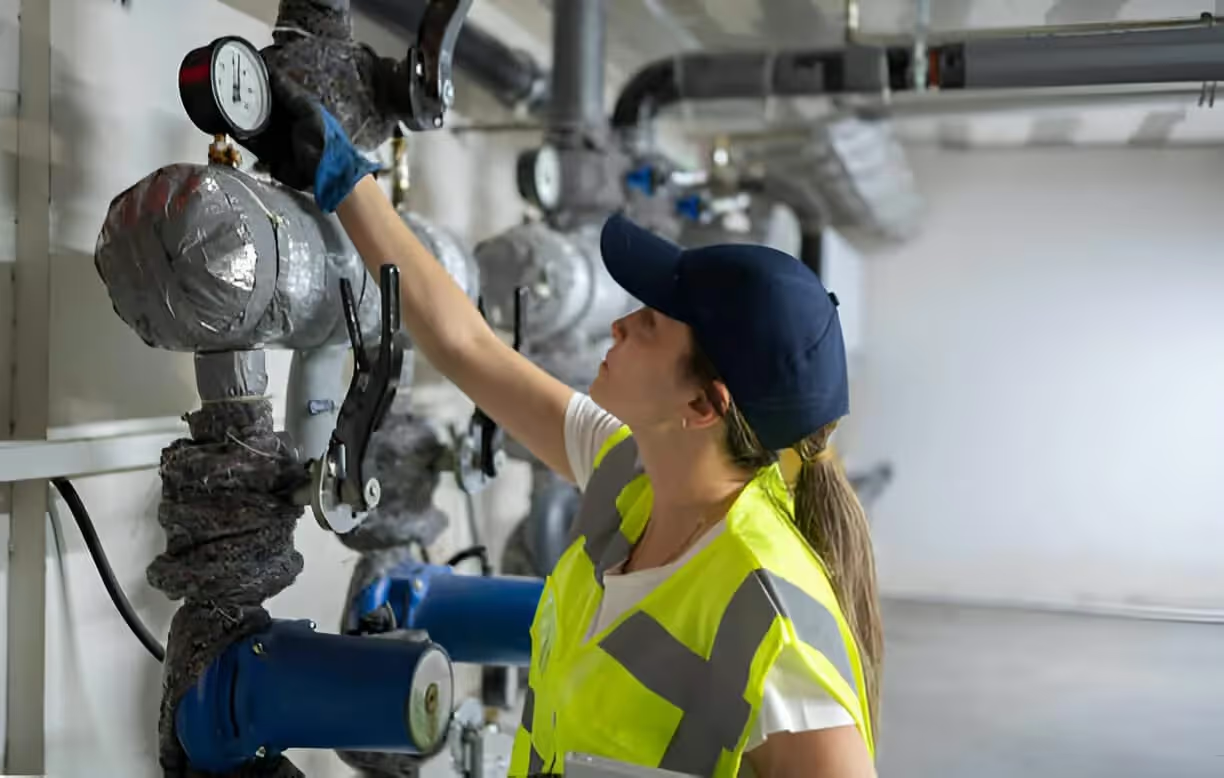
Changing the filter and keeping the outdoor unit clear are fantastic DIY habits. However, a professional service goes much deeper. Our technicians have specialized tools to check refrigerant levels, test electrical components, clean indoor coils, and lubricate motors—tasks that are unsafe or impossible without proper training and equipment.
My system is old. Should I keep maintaining it or replace it?
This is a great question that depends on your specific situation. If your system is past its average lifespan and requires frequent, costly repairs, replacement is often the more economical choice. We believe in honest advice, which is why we offer free quotes on system replacements. We can help you weigh the cost of repairs against the long-term savings and reliability of a new unit, with financing options available to fit your budget.
Your Partner in Home Comfort
At Daniels Mechanical Services, we see ourselves as more than just technicians; we're your partners in maintaining a safe and comfortable home. Since 2008, our family-owned business has been built on honest advice and courteous service. We believe an educated homeowner is an empowered homeowner.
By embracing a proactive approach to your HVAC system's health, you can save money, avoid stress, and enjoy reliable comfort year-round.
Ready to take the first step? Give us a call at (919) 922-5265 to schedule your professional maintenance tune-up or to get a no-obligation quote.
hear what our satisfied
clients have to say


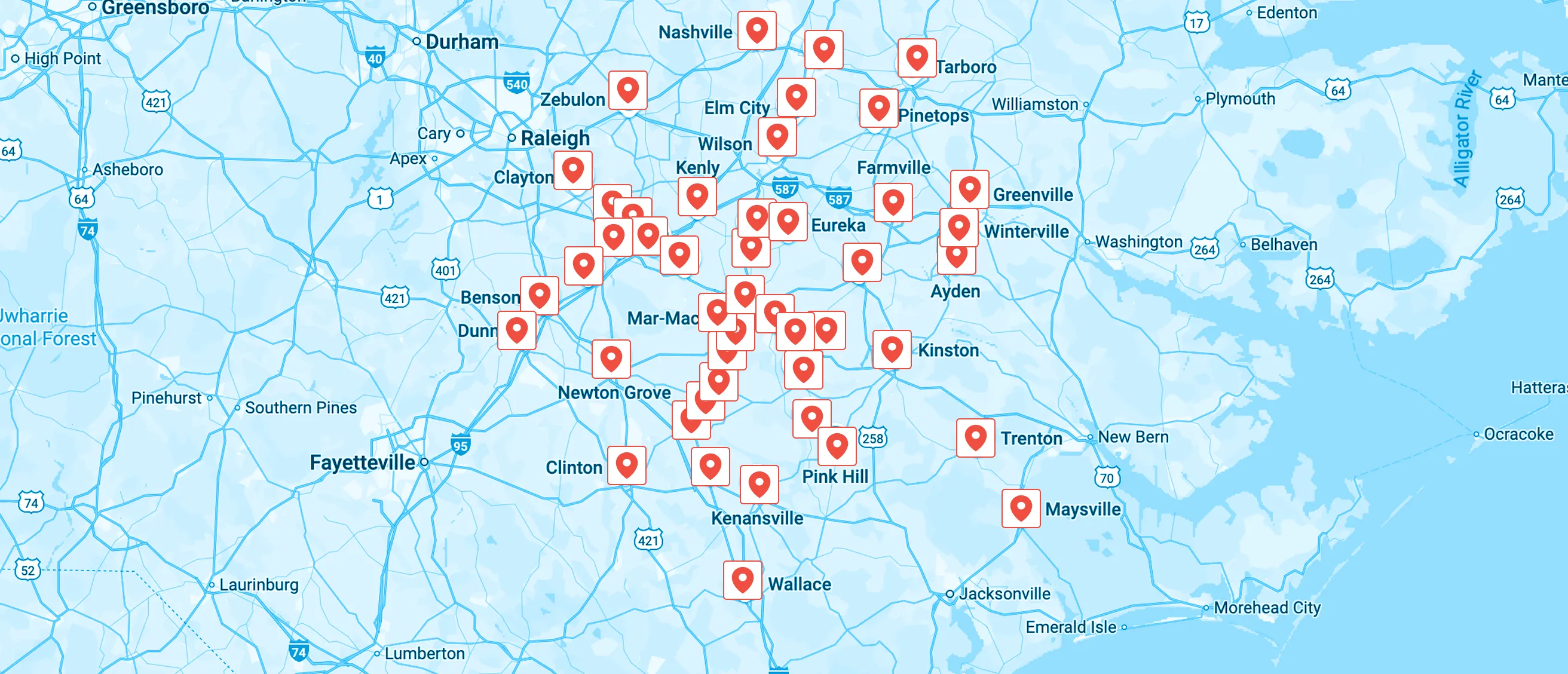
Service areas