Spring HVAC Tune-Up Checklist and Tips
Comprehensive Spring HVAC Tune-Up Checklist and Expert Tips for Energy Efficient AC Maintenance
As the seasons change, ensuring your HVAC system is in optimal condition becomes crucial for maintaining comfort and energy efficiency in your home. At Daniels Heating and Air Conditioning, we understand that a comprehensive spring HVAC tune-up not only enhances the performance of your air conditioning system but also extends its lifespan and reduces energy costs. This article provides a detailed checklist for spring HVAC maintenance, expert tips for energy efficiency, and insights into recognizing when your system needs attention. By following these guidelines, you can proactively address potential issues and enjoy a more efficient cooling experience.
In this guide, we will cover essential tasks for your HVAC tune-up, expert tips for improving energy efficiency, signs that indicate your system needs a spring tune-up, and how to schedule your maintenance with Daniels Heating and Air Conditioning. Our guidance is designed to help you understand what our technicians will inspect, what you can reasonably handle yourself, and when it is important to call a licensed professional.
Comprehensive AC Tune-Up Checklist:
A thorough AC tune-up checklist is vital for ensuring your HVAC system operates efficiently. This checklist includes various tasks that should be performed regularly to maintain optimal performance and prevent costly repairs. The items below combine routine homeowner checks with professional inspections and tests that require tools and certification.
Inspect and Clean Coils:
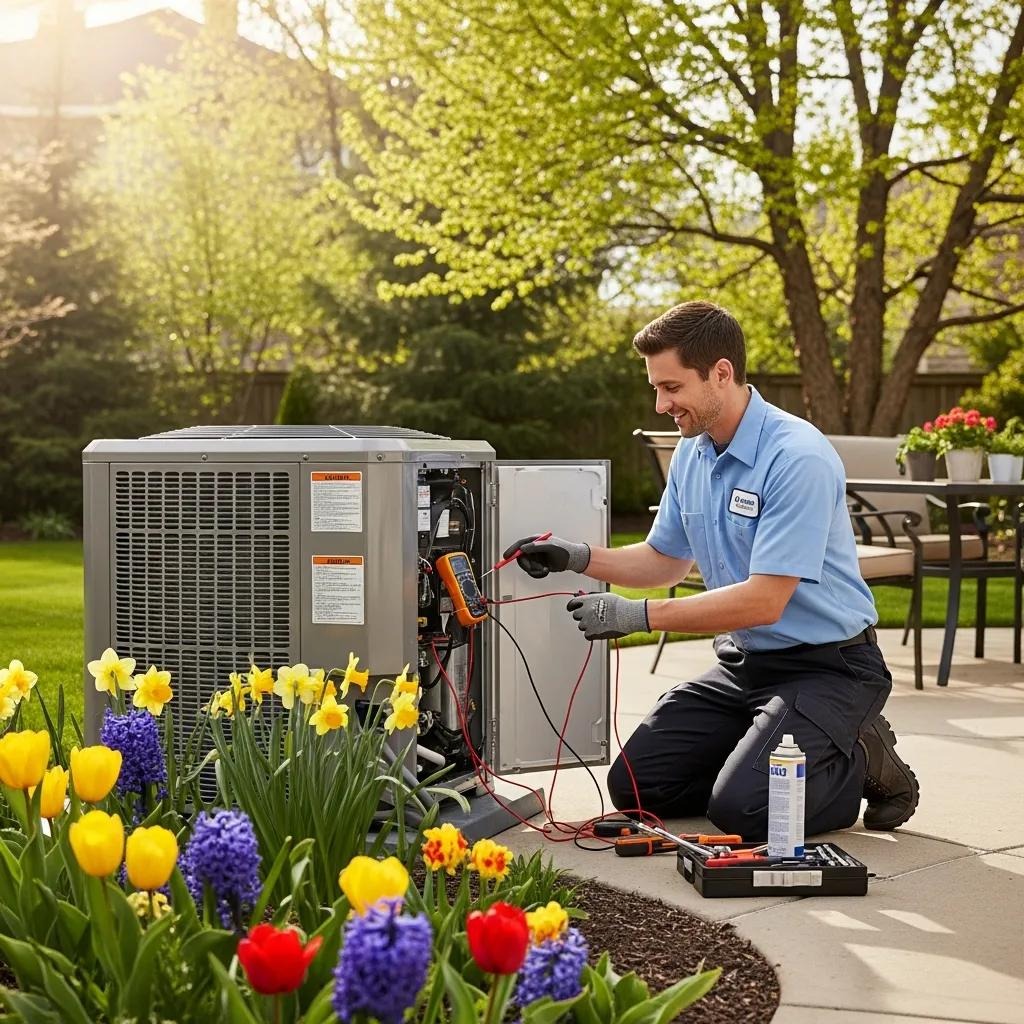
Cleaning the coils of your air conditioning unit is essential for efficient heat exchange. Dirty coils can significantly reduce the system's ability to cool your home, leading to increased energy consumption and higher utility bills. Regular cleaning helps maintain optimal airflow and efficiency, ensuring your system operates smoothly. We recommend having our professional service perform this task at least once a year to ensure thorough cleaning and inspection. Our technicians will remove accumulated debris, check coil fins for damage, and straighten bent fins to restore proper airflow. You can visually inspect coils and gently clear loose debris around the outdoor unit, but avoid aggressive cleaning or chemical use without guidance.
Check Refrigerant Levels:
Proper refrigerant levels are crucial for your AC system's cooling efficiency. Low refrigerant can lead to inadequate cooling and increased energy costs. Signs of low refrigerant include ice buildup on the coils and reduced cooling capacity. It is essential to have our certified technicians check the refrigerant levels during your spring tune-up to avoid potential damage to the compressor, which can be costly to repair. We also inspect for signs of leaks, check line insulation, and verify proper pressures with certified gauges. Because handling refrigerant requires certification and EPA-compliant equipment, all refrigerant work is performed by our qualified professionals.
Thermostat Calibration:
Thermostat calibration ensures that your HVAC system maintains the desired temperature accurately. An improperly calibrated thermostat can lead to inconsistent temperatures and increased energy usage. During a tune-up, our technicians will check the calibration and make necessary adjustments to ensure your system operates efficiently. This simple step can lead to significant energy savings over time. We also review thermostat placement to ensure it is not influenced by direct sunlight, drafts, or heat sources, and advise on battery replacement or software updates for smart and programmable models.
Electrical Connections:
Inspecting electrical connections is a critical safety measure during your HVAC tune-up. Loose or corroded connections can pose safety risks and lead to system failures. Our technicians check all electrical components, ensuring they are secure and functioning correctly. Regular inspections help prevent electrical issues that could result in costly repairs or safety hazards. This includes inspecting contactors, capacitors, fuses, and breakers for signs of wear, heat damage, or carbon buildup. When necessary, we tighten connections and note any components that should be monitored or replaced.
Lubricate Motors and Bearings:
Lubrication of motors and bearings is essential for reducing friction and wear on moving parts. This maintenance task helps extend the lifespan of your HVAC system and improves its overall efficiency. Our technicians apply the appropriate lubricants to ensure smooth operation, which can also reduce noise levels during operation. Proper lubrication practices vary by equipment type; many newer motors are sealed and do not require lubrication, while older equipment or specific components benefit from routine service. We identify which parts need lubrication and use manufacturer-recommended products.
Examine Drain Lines and Pans:
Clear drain lines are vital for preventing water damage and ensuring proper drainage of condensation. Clogged drain lines can lead to water buildup, which may cause damage to your HVAC system and home. During the tune-up, our technicians inspect and clean the drain lines and pans to ensure they are functioning correctly. We may flush lines, verify the operation of condensate pumps where installed, and check for signs of algae, rust, or deterioration. You can help by ensuring the area around the indoor unit stays dry and reporting any past drainage issues.
Inspect Belts and Pulleys:
Worn or damaged belts and pulleys can lead to system inefficiencies and increased noise levels. Regular inspection of these components is essential for maintaining optimal performance. Our technicians check for signs of wear and replace any damaged parts to ensure your system operates quietly and efficiently. During inspection, we evaluate belt tension and pulley alignment to prevent premature wear and ensure efficient motor performance. If you notice audible squealing or slipping, please mention this to us before our inspection.
Test System Controls:
Testing system controls is crucial for ensuring that your HVAC system responds correctly to thermostat settings. Our technicians check the operation of the system, including starting and stopping cycles, to ensure everything functions as intended. This step helps identify any control issues that could affect system performance. Controls testing includes verifying safety switches, limit controls, and emergency shutoffs, as well as confirming the communication between zones in multi-zone systems. Proper control function reduces short cycling and erratic operation.
Filter Inspection and Replacement:
Regular inspection and replacement of air filters are essential for maintaining indoor air quality and system efficiency. Clogged filters can restrict airflow, leading to increased energy consumption and reduced cooling capacity. We recommend checking filters monthly and replacing them as needed, with professional assistance during the spring tune-up for optimal results. Our technicians advise on the best filter type for your system and indoor air needs, including discussions about filter efficiency and how often to replace or clean washable filters.
Ductwork Inspection:
Inspecting ductwork for leaks and blockages is vital for ensuring efficient airflow throughout your home. Leaky ducts can lead to significant energy loss and reduced system efficiency. Our technicians assess the ductwork and recommend repairs or sealing to improve overall performance. During inspection, we look for disconnected sections, damaged insulation, or obstacles near return vents. Improving duct sealing and insulation can reduce energy waste, improve comfort, and help balance airflow across rooms.
Performance Testing:
Performance testing involves evaluating the overall efficiency of your HVAC system. Our technicians conduct diagnostic tests to identify any issues affecting performance. This proactive approach allows for early detection of potential problems, ensuring your system operates at peak efficiency. Typical performance checks include measuring temperature differential across the evaporator coil, verifying airflows at registers, and checking static pressure. These objective measurements help us recommend targeted repairs or adjustments rather than guesswork.
Detailed System Health Report:
After completing the tune-up, we provide a detailed system health report. This report outlines the condition of various components, any repairs made, and recommendations for future maintenance. Having this documentation helps you stay informed about your HVAC system's health and plan for future maintenance needs. The report often includes notes on parts approaching end of life, suggested timelines for replacements, and any energy-saving opportunities identified during service. Retaining these reports year over year makes it easier to track trends and make cost-effective decisions.
Expert Tips for Energy Efficiency:

Improving energy efficiency in your HVAC system can lead to significant cost savings and a more comfortable home environment. Here are some expert tips from Daniels Heating and Air Conditioning to enhance your system's efficiency:
• Regular Maintenance: Schedule annual tune-ups with us to keep your system running efficiently and prevent costly repairs. Consistent service helps detect small issues before they grow into major failures and ensures the system runs at design capacity.
• Use Programmable Thermostats: Programmable thermostats allow you to set specific temperatures for different times of the day, optimizing energy use. Proper programming reduces runtime during unoccupied hours and can lower cooling demand without sacrificing comfort. For homes with variable occupancy, a smart thermostat that adapts to routines may yield additional convenience.
• Seal Air Leaks: Inspect your home for air leaks around windows and doors, and seal them to prevent energy loss. Adding or replacing weatherstripping and using caulk in small gaps reduces the load on your HVAC system. Also inspect attic access points and utility penetrations for gaps that allow conditioned air to escape.
For those looking to enhance their HVAC system's energy efficiency, Daniels Heating and Air Conditioning offers expert services tailored to your needs. Our technicians can evaluate your home’s envelope, recommend insulation improvements, and suggest HVAC adjustments that complement any building upgrades for greater savings.
What Are the Key Signs Your HVAC System Needs a Spring Tune-Up?
Recognizing the signs that your HVAC system requires a spring tune-up is essential for maintaining comfort and efficiency. Here are some key indicators to watch for:
• Reduced Cooling Capacity: If your system struggles to maintain the desired temperature, it may need a tune-up. Reduced capacity can stem from dirty coils, low refrigerant, or airflow restriction.
• Higher Energy Bills: A sudden increase in energy costs can indicate inefficiencies in your HVAC system. Compare seasonal usage against prior periods and consider a tune-up if consumption rises unexpectedly.
• Unusual Noises: Strange sounds during operation may signal underlying issues that require professional attention. Grinding, rattling, or squealing often point to mechanical wear, loose parts, or motor issues that benefit from inspection.
Other practical signs include unusual odors from vents, visible ice on the outdoor unit, or a system that cycles on and off frequently (short cycling). When you observe these symptoms, scheduling a tune-up with Daniels Heating and Air Conditioning helps address root causes before failure occurs.
Maintenance Timelines:
Establishing a maintenance timeline for your HVAC system is crucial for ensuring its longevity and efficiency. Here are some recommendations from our team:
• Annual Tune-Up: Schedule a comprehensive tune-up each spring to prepare your system for the cooling season. This visit should include the full checklist above and any necessary safety checks.
• Biannual Inspections: For older units, consider biannual inspections to catch potential issues early. Additional winter checkups can prepare heating components and ensure year-round reliability.
Between professional visits, monthly filter checks and seasonal visual inspections of outdoor units will help keep the system run-ready. Keep a maintenance log with dates, services performed, and notes from our technicians to track service history.
Spring HVAC Tune-Up Checklist:
A summary of the essential tasks for your spring HVAC tune-up includes:
• Comprehensive filter inspection
• Coil cleaning
• Electrical system inspection
Additional items often included in a full tune-up are checking refrigerant lines, verifying condensate drainage, testing system controls, and ensuring the outdoor unit has adequate clearance. The summary above represents the highest-impact tasks that contribute immediately to performance and safety.
How to Identify Inefficiencies and Performance Issues in Your AC System
Identifying inefficiencies in your AC system can help you address problems before they escalate. Look for these signs:
• Increased Energy Bills: A noticeable rise in energy costs may indicate that your system is working harder than it should.
• Inconsistent Cooling: If certain areas of your home are warmer than others, it may signal airflow issues or system inefficiencies.
• Strange Noises: Unusual sounds can indicate mechanical problems that need immediate attention.
You can perform simple checks to narrow causes: feel vents for airflow, compare supply and return temperatures with a basic thermometer to estimate temperature differential, and inspect the outdoor unit for debris or blocked fins. If readings or observations are outside normal ranges, contact Daniels Heating and Air Conditioning for professional diagnostics and corrective action.
Recognizing Early Warning Signs of HVAC Breakdown Risks in Spring
Being aware of early warning signs can help you prevent HVAC breakdowns. Look for:
• Unusual Noises: Grinding or squealing sounds may indicate mechanical issues.
• Weak Airflow: Reduced airflow can signal blockages or mechanical failures.
• Increased Energy Bills: A sudden spike in energy costs may indicate inefficiencies.
Additional early warnings include visible rust, frequent tripping of breakers associated with the HVAC, and visible oil or refrigerant stains near equipment. Addressing these signs during a spring tune-up with Daniels Heating and Air Conditioning reduces the risk of mid-season failures and costly emergency service calls.
What Is Included in a Detailed Step-by-Step Spring HVAC Tune-Up Checklist?
A detailed step-by-step spring HVAC tune-up checklist includes:
• Filter Inspection: Checking and replacing filters as needed.
• Coil Cleaning: Ensuring coils are clean for optimal heat exchange.
• Refrigerant Level Check: Verifying proper refrigerant levels for efficient cooling.
Each step is typically performed in sequence: start with visual and safety checks, then proceed to airflow and electrical tests, followed by refrigerant verification and performance measurements. Our technicians commonly end with a system run test to confirm stable operation and produce a written report summarizing findings and recommended follow-ups.
Essential AC System Inspection Tips and Maintenance Tasks
To ensure your AC system operates efficiently, consider these essential inspection tips from Daniels Heating and Air Conditioning:
• Regular Filter Changes: Change or clean filters monthly to maintain airflow.
• Coil Cleaning: Schedule professional cleaning of coils annually.
• Electrical System Checks: Have a technician inspect electrical connections during tune-ups.
Other practical tasks include ensuring outdoor condenser clearance, trimming vegetation away from the unit, and checking thermostat schedules seasonally. A small time investment in these routine tasks often pays back with lower energy costs and fewer service interruptions.
How Expert Technicians Optimize HVAC Components for Peak Performance
Our expert technicians utilize various techniques to optimize HVAC components, including:
• Inspecting and Cleaning Coils: Ensuring coils are free of dirt and debris for efficient heat exchange.
• Verifying Refrigerant Pressure Levels: Checking refrigerant levels to ensure optimal cooling performance.
• Checking and Calibrating Thermostats: Ensuring thermostats are accurately calibrated for precise temperature control.
We also use diagnostic tools such as manifold gauges, infrared thermometers, and airflow meters to identify specific performance constraints. Based on measurements, we may recommend targeted repairs such as sealing duct leaks, replacing failing capacitors, or rebalancing airflow to restore efficient operation and improve occupant comfort.
How Does Regular Spring HVAC Maintenance Improve Energy Efficiency and Reduce Costs?
Regular spring HVAC maintenance plays a crucial role in improving energy efficiency and reducing costs. Key benefits include:
• Cleaning Coils: Clean coils enhance heat exchange efficiency, reducing energy consumption.
• Checking Refrigerant Levels: Proper refrigerant levels ensure optimal cooling performance, preventing overworking the system.
• Lubricating Moving Parts: Lubrication reduces friction, improving system efficiency and longevity.
Routine maintenance helps the system operate closer to its original design efficiency, which reduces runtime and wear. The result is lower monthly energy bills, fewer breakdowns, and a longer equipment lifespan. Over time, consistent preventive care reduces the total cost of ownership for HVAC equipment.
Understanding Energy Efficient AC Tune-Up Benefits and Metrics
Understanding the benefits of energy-efficient AC tune-ups can help you make informed decisions. Key metrics include:
• Enhanced Energy Efficiency: Regular maintenance can improve system efficiency significantly.
• Extended Equipment Lifespan: Proper care can extend the lifespan of HVAC systems by several years.
• Increased Comfort and Air Quality: Well-maintained systems provide better indoor air quality and consistent temperatures.
Our technicians may reference specific measurements such as temperature differential between supply and return air, airflow rates, and measured system pressures. These metrics provide objective evidence of system condition and improvement after service.
Case Examples of Energy Savings and Cost Avoidance from Tune-Ups
Real-world examples illustrate the financial benefits of regular HVAC tune-ups. Homeowners have reported:
• Reduction in Monthly Energy Costs: Many experience noticeable savings on energy bills after a tune-up.
• Extended Lifespan of HVAC Systems: Regular maintenance can add years to the life of your system, delaying costly replacements.
• Avoidance of Emergency Repairs: Proactive maintenance helps identify issues before they escalate into expensive repairs.
These outcomes usually result from restoring airflow, correcting refrigerant issues, and replacing worn components before they fail. Together, these actions reduce both energy wasted by inefficiencies and the chance of sudden breakdowns during peak seasons.
What Are the Best Practices for HVAC Spring Preparation and System Care?
Implementing best practices for HVAC spring preparation can enhance system performance. Consider these tips:
• Filter Inspection and Replacement: Regularly check and replace filters to maintain airflow.
• Coil Cleaning: Schedule professional cleaning to ensure efficient heat exchange.
• Refrigerant Level Check: Verify refrigerant levels to prevent cooling inefficiencies.
Additionally, you should clear debris from outdoor units, ensure adequate insulation in attic and ductwork where accessible, and adjust thermostat schedules for seasonal occupancy patterns. These combined actions support efficient operation and prolong equipment life.
HVAC Spring Preparation Guide: Cleaning, Calibration, and Filter Replacement
A comprehensive HVAC spring preparation guide includes:
• Cleaning: Thoroughly clean coils and components to enhance efficiency.
• Calibration: Ensure thermostats are accurately calibrated for optimal performance.
• Filter Replacement: Regularly replace filters to maintain indoor air quality.
Preparation also means documenting any recurring problems and communicating them to your technician. Note unusual sounds, areas with poor airflow, and any recent changes in utility bills so we can prioritize diagnostics during the tune-up.
Tips for Maintaining Optimal HVAC System Health During Seasonal Transitions
To maintain optimal HVAC system health during seasonal transitions, follow these tips:
• Schedule a Professional Tune-Up: Regular maintenance helps prepare your system for seasonal changes.
• Change or Clean Filters Monthly: Keeping filters clean ensures efficient airflow.
• Clear Outdoor Units: Remove debris from outdoor units to maintain airflow and efficiency.
Seasonal changes also present an opportunity to change settings, check weather stripping, and inspect attic insulation. Making small adjustments early can reduce peak-season strain on your system and improve comfort throughout the year.
How Can Financing Options and Promotions Make Your Spring HVAC Tune-Up More Affordable?
Financing options and promotions can make your spring HVAC tune-up more affordable. Consider these aspects:
• Types of Financing Plans: Many companies offer flexible payment options to fit your budget.
• Eligibility Criteria: Check for eligibility requirements for financing plans.
• Potential Savings: Taking advantage of promotions can lead to significant savings on maintenance costs.
Financing plans can include installment payments, promotional interest offers, or membership plans that bundle priority service and discounts. When considering financing, verify terms, any service commitments, and how promotions affect total costs.
Overview of Available Financing Plans for HVAC Maintenance Services
Various financing plans are available for HVAC maintenance services, including:
• Flexible Payment Options: Many providers offer plans that allow you to spread costs over time.
• Long-Term Savings: Investing in regular maintenance can lead to lower energy bills and extended equipment lifespan.
• Promotional Offers: Look for seasonal promotions that can reduce the cost of your tune-up.
Ask us about maintenance agreement options that include regular inspections and priority scheduling, which can provide predictable service and cost savings over time.
Current Promotions and Offers to Support Your Spring Tune-Up Scheduling
Stay informed about current promotions and offers that can support your spring tune-up scheduling:
• Current Promotional Offers: Many HVAC companies provide discounts during the spring season.
• Discounts on Services: Look for bundled service offers that can save you money.
• Limited-Time Offers: Take advantage of limited-time promotions to maximize savings.
When booking, ask us about any available coupons, seasonal packages, or reduced rates for combining services such as tune-up plus duct inspection. Promotions can change frequently, so confirm details when scheduling your appointment.
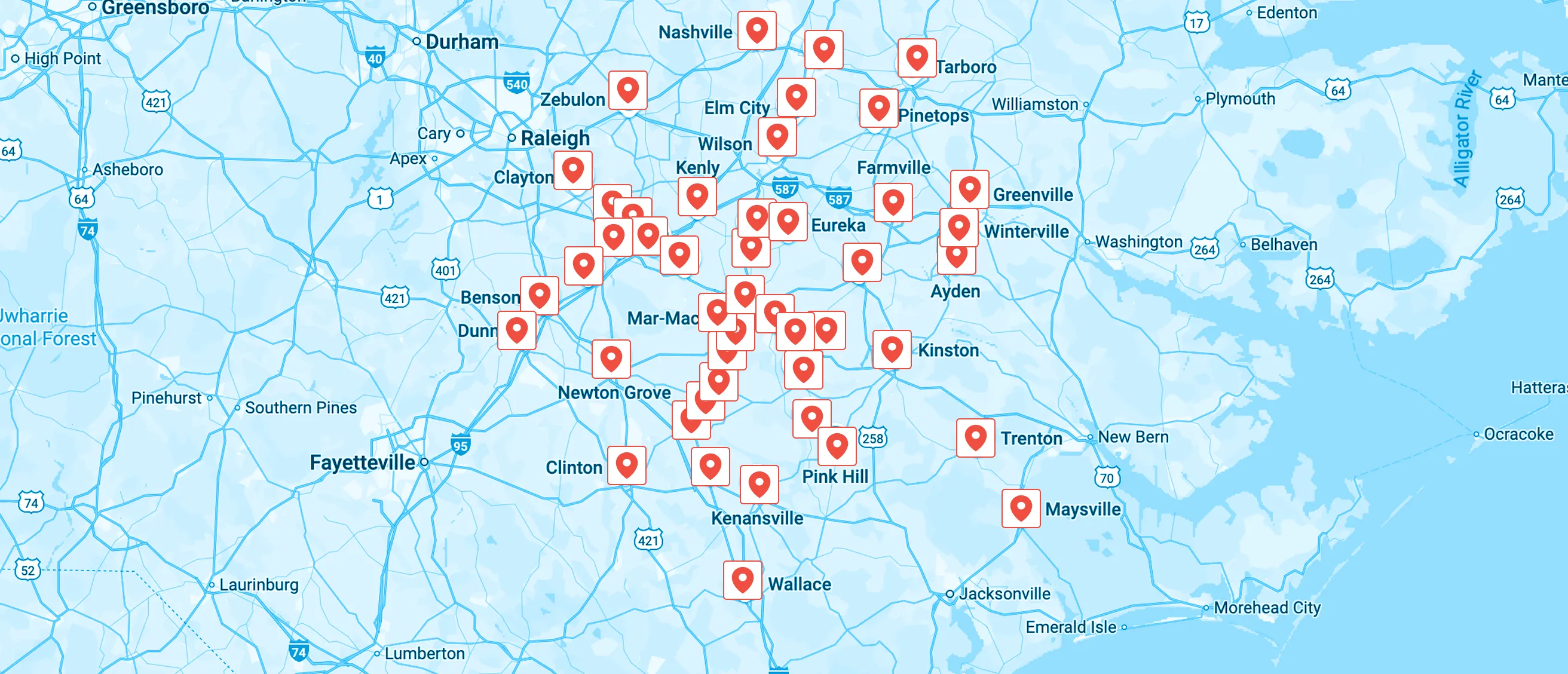
How to Schedule Your Spring HVAC Tune-Up with Daniels Heating and Air Conditioning in Wayne County, NC?
Scheduling your spring HVAC tune-up with Daniels Heating and Air Conditioning is straightforward. Here’s how:
• Online Scheduling Process: Visit our website to book your appointment easily.
• Phone Scheduling Process: Contact our customer service team to speak with a representative and schedule your tune-up.
• Tips for Preparing Your Home: Ensure easy access to your HVAC system for our technicians during the service visit.
Before you call or book online, take note of your system make and model, recent service history, and any symptoms you've observed. This information helps our scheduling team prioritize your visit and bring appropriate parts if needed.
Step-by-Step Guide to Booking Your Tune-Up Appointment Online or by Phone
• Visit the Website: Navigate to the scheduling section on the Daniels Heating and Air Conditioning website.
• Select Your Service: Choose the spring HVAC tune-up service from the list of options.
• Provide Your Information: Fill out the required information to complete your booking.
• Confirm Your Appointment: Check your email for confirmation details regarding your scheduled service.
When booking by phone, ask about technician arrival windows, estimated service time, and any preparatory steps you should complete before the visit. If you have pets, secure them during the service window to allow our technicians clear access to equipment.
What to Expect During Your Professional HVAC Service Visit
During your professional HVAC service visit with Daniels Heating and Air Conditioning, you can expect:
• Services Performed During Visit: Our technicians will conduct a thorough inspection and maintenance of your HVAC system.
• Duration of Visit: Most tune-up appointments last between 1-2 hours, depending on the system's condition.
• Preparation Tips for Homeowners: Clear the area around your HVAC unit to facilitate easy access for our technicians.
Our technicians typically arrive with tools and replacement parts for common items such as filters and capacitors. They will walk you through findings, explain any recommended repairs, and leave a written report summarizing services performed and any follow-up actions that may be needed. If a repair is urgent, they will discuss options and next steps before proceeding.
Schedule Your Spring HVAC Tune-Up Today
Regular spring HVAC tune-ups with Daniels Heating and Air Conditioning are essential for enhancing system efficiency, extending equipment lifespan, and reducing energy costs. By following our comprehensive checklist and expert tips, you can ensure your HVAC system operates at peak performance. Don’t wait for issues to arise; schedule your spring tune-up with Daniels Heating and Air Conditioning today. Experience the comfort and savings that come with a well-maintained HVAC system.

hear what our satisfied
clients have to say


Service areas